 ChocolateLabs
 Can Labs Eat It? Food Safety
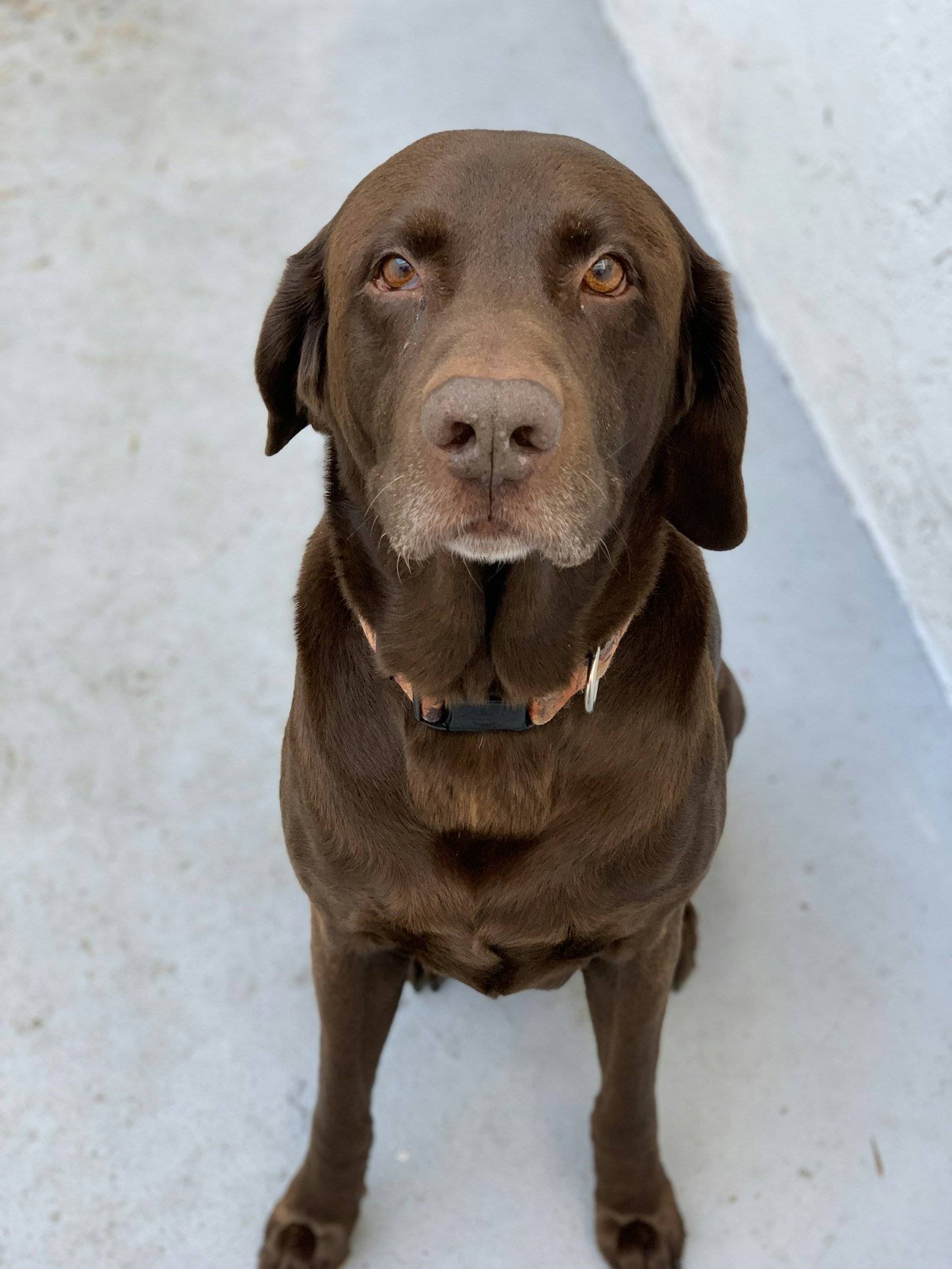
Halloween puts bowls of candy at nose height and the front door on a constant swing, which is a lot of temptation for a Lab. The AVMA puts it simply: don’t feed pets Halloween treats. Here’s why, and what to do if your dog gets into the stash anyway.
The three big candy dangers
1. Chocolate
Chocolate contains theobromine and caffeine. Dark chocolate, baking chocolate and cocoa powder are far more dangerous than milk chocolate. Merck lists roughly 150–160 mg of methylxanthines per ounce in dark chocolate versus 64 mg in milk chocolate. Read the full breakdown in Can Labs eat chocolate?, and use the chocolate toxicity calculator with your dog’s weight and the wrappers you found before you call.
2. Xylitol in sugar-free candy and gum
Sugar-free gum, mints and candy often contain xylitol, which can drop a dog’s blood sugar dangerously and, at higher doses, damage the liver. The Merck Veterinary Manual links doses above about 100 mg/kg to low blood sugar. Gum can delay signs for 12 to 18 hours. More in peanut butter and xylitol.
3. Raisins
Boxes of raisins and raisin-filled treats show up in trick-or-treat bags too. Grapes and raisins can cause kidney failure in dogs, with no known safe amount (VCA).
As the AVMA notes, you often can’t tell what’s inside a candy just by looking at it. Treat any unknown candy as a possible problem.
If your Lab got into the candy
- Move your dog away and collect every wrapper you can find.
- Work out what was eaten: chocolate type and amount, anything sugar-free, any raisins.
- Call your vet, an emergency clinic, ASPCA Animal Poison Control (888) 426-4435 or Pet Poison Helpline (855) 764-7661.
- Don’t induce vomiting at home unless a vet tells you to.
Wrappers can also cause choking or a blockage, so mention them on the call.
Other Halloween hazards (AVMA)
- ID first. Make sure your Lab has a microchip, collar and tag in case they slip out the door during trick-or-treating.
- Candles and jack-o’-lanterns belong out of reach of wagging tails and curious noses.
- Decorations, glow sticks, batteries and costume pieces can cause choking, internal injury or illness if chewed.
- Costumes for dogs should fit well, have nothing that can be chewed off, and not block sight, hearing, breathing or movement. Practice before the big night and never leave a costumed dog alone.
- Nervous or mouthy dogs do better in a quiet room away from the front door.
- Keep pets indoors on Halloween night.
A dog-safe alternative
Want your Lab to join in? Hand out their regular treats, or a few pieces of a safe fruit like apple slices or blueberries, and count them in their daily calories. Our toy guide has stuffable toys that keep a Lab busy while the doorbell rings. For other foods, see the full Can Labs eat it? series.